










Cold Hands and Feet? What Research Says About Circulation

Cold fingers in a warm room. Toes that tingle or go numb when you sit too long. Feet that look pale or slightly bluish by the end of the day. These are some of the most common complaints people bring up after 40, and they usually point to the same thing: blood is not reaching the extremities as easily as it used to.
Sometimes the cause is simple and harmless — a chilly office, tight shoes or too many hours at a desk. Sometimes it is an early signal of something that deserves medical attention. This guide explains how circulation to the hands and feet works, what tends to slow it down, which habits and nutrients have research behind them, and the warning signs that mean you should see a doctor.
Key takeaways
- Hands and feet are the first places your body cuts blood flow to conserve heat, so they show circulation problems early.
- Nitric oxide, made by the lining of your blood vessels, is the key signal that helps vessels relax and widen.
- Daily walking, movement breaks, hydration and not smoking are the most reliable ways to support blood flow.
- L-citrulline, dietary nitrate and polyphenols have research supporting healthy vessel function.
- Sores that will not heal, leg pain at rest or a suddenly cold, pale limb need prompt medical attention.
What Research Says About Circulation in Hands and Feet
Your hands and feet sit at the far end of your circulatory system. Blood has to travel the longest distance to reach them, through ever-smaller arteries and capillaries, and then return to the heart against gravity through the veins. The body also uses the extremities as a thermostat: when it wants to conserve heat, it narrows the small vessels in your fingers and toes first.
The key regulator of that narrowing and widening is nitric oxide, a signaling molecule produced by the thin lining of your blood vessels (the endothelium). Nitric oxide tells the smooth muscle around arteries to relax so the vessel widens and blood flows more freely. Research on this pathway was recognized with the 1998 Nobel Prize in Physiology or Medicine. Natural nitric oxide production tends to decline with age, which is one reason circulation complaints become more common over time.
Understanding the Symptoms and Root Causes
Common Signs of Reduced Circulation

- Hands and feet that feel cold even when the rest of you is warm.
- Tingling, "pins and needles" or numbness, especially after sitting.
- Pale, bluish or blotchy skin color in fingers or toes.
- Slow-healing cuts or blisters on the feet.
- Cramping or aching in the calves when walking that eases with rest.
- Thinning hair on the legs or shiny skin on the lower legs.
Everyday Contributors
Many circulation complaints have lifestyle roots that are easy to address:
- Long periods of sitting — the calf muscles act as a pump for blood returning from the legs. When they are idle, blood pools.
- Smoking — nicotine constricts blood vessels and damages the endothelium.
- Dehydration — lower blood volume means less flow to the periphery.
- Cold exposure and tight clothing — tight socks, shoes or watch bands can restrict small vessels.
- Low activity levels — fewer new capillaries and less efficient vessel function over time.
Medical Conditions to Know About
| Condition | What happens | Typical signs |
|---|---|---|
| Raynaud's phenomenon | Small vessels in fingers and toes spasm in response to cold or stress | Fingers turn white, then blue, then red as blood returns |
| Peripheral artery disease (PAD) | Plaque narrows the arteries supplying the legs | Calf pain when walking, cold feet, slow-healing sores |
| Diabetes | High blood sugar damages small vessels and nerves | Numbness, tingling, foot wounds that heal slowly |
| Chronic venous insufficiency | Vein valves weaken and blood pools in the legs | Swollen ankles, heavy legs, varicose veins |
| Hypothyroidism | Slower metabolism reduces heat production | Feeling cold all over, fatigue, dry skin |
If your symptoms match one of these patterns, a diagnosis matters more than any supplement. Your doctor can check pulses in your feet, compare blood pressure in your arms and ankles (the ankle-brachial index) and order blood work.
Why Circulation in the Extremities Matters for the Whole Body
Cold or numb feet can be more than an annoyance. Because the same blood vessel processes affect arteries throughout the body, problems with circulation in the legs often travel together with circulation problems elsewhere. People with peripheral artery disease, for example, have a higher risk of heart attack and stroke. In that sense, your feet can act as an early warning system for your cardiovascular health.
The flip side is encouraging: the habits that improve blood flow to your hands and feet — regular walking, not smoking, a plant-rich diet and healthy blood pressure, blood sugar and cholesterol — protect your heart and brain at the same time.
Simple Ways to Check Your Circulation at Home
Home checks cannot replace a medical exam, but they can help you notice changes worth mentioning to your doctor:
- Capillary refill test. Press firmly on a fingernail or toenail until it turns pale, then release. Color should return within about two seconds. Slower refill can suggest reduced blood flow.
- Compare both sides. Is one foot noticeably colder, paler or more discolored than the other? Differences between sides are more meaningful than both feet feeling cool.
- Check your feet daily. Look for cuts, blisters, color changes or sores, especially if you have diabetes. Use a mirror or ask for help if you cannot see the soles.
- Notice walking patterns. Calf, thigh or buttock pain that reliably appears after a certain distance and eases with rest is a classic sign of reduced arterial flow.
- Watch for swelling. Ankles that swell by evening and leave a dent when pressed point toward venous or fluid problems.
Evidence-Based Nutrients for Healthy Circulation
Several nutrients have been studied for their effect on blood flow and vessel function. None of them replaces medical care, but they can support healthy circulation as part of an overall routine.
Nitric Oxide Precursors: L-Citrulline and Dietary Nitrate
Your body makes nitric oxide through two main routes. The first uses the amino acid L-arginine. Interestingly, supplementing with L-citrulline raises arginine levels in the blood more effectively than taking arginine itself, because citrulline is not broken down as heavily in the gut and liver. The second route converts dietary nitrate — found in beets and leafy greens — into nitrite and then nitric oxide. Randomized trials have shown that dietary nitrate from beetroot juice can support healthy blood pressure and vessel function.
Polyphenols: Grape Seed, Cocoa and Berries
Plant polyphenols help protect the endothelium from oxidative stress and support its ability to produce nitric oxide. Grape seed extract, cocoa flavanols and berry anthocyanins have all been studied for their effects on vessel function. Dark chocolate with a high cocoa content, eaten in moderation, is one of the more enjoyable ways to get them.
Absorption Helpers
Black pepper extract (piperine) is often included in formulas because it can increase the absorption of certain nutrients. It does not improve circulation on its own, but it can help the other ingredients do their job.
Potential Side Effects
Most circulation-supporting nutrients are well tolerated at studied doses. Possible issues include mild stomach upset, headache or a drop in blood pressure. Anyone taking blood pressure medication, nitrates for chest pain, erectile dysfunction medication or blood thinners should talk to their doctor before using nitric oxide supplements.
Daily Habits That Support Blood Flow

Lifestyle changes produce some of the most reliable improvements in circulation — and they cost nothing.
- Walk every day. Walking is the single most-recommended activity for leg circulation. Supervised walking programs are a first-line approach for people with PAD.
- Move every 30–60 minutes. Stand up, do calf raises or walk to refill your water.
- Elevate your legs. If your ankles swell, lie down with your feet above heart level for 15–20 minutes.
- Stay hydrated. Aim for pale-yellow urine throughout the day.
- Dress for the weather. Keep your core warm so the body is less likely to restrict blood flow to the extremities, and choose gloves and socks that are warm but not tight.
- Quit smoking. It is the most important single step for vascular health.
- Manage blood sugar, blood pressure and cholesterol. These are the main drivers of long-term vessel damage.
Circulation-Friendly Foods

Your plate can support your blood vessels every day. Foods worth eating regularly include:
- Beets, arugula, spinach and other leafy greens for dietary nitrate.
- Watermelon for natural L-citrulline.
- Fatty fish such as salmon, sardines and mackerel for omega-3 fatty acids.
- Berries, grapes, pomegranate and dark chocolate for polyphenols.
- Garlic, onions and citrus fruits for compounds that support vessel health.
Limiting salt, added sugar and heavily processed foods also helps protect the vessel lining over time.
A Circulation-Friendly Day
Putting it all together, a day designed with your blood flow in mind might look like this:
- Morning: a glass of water, a short walk, and a breakfast with berries.
- Work hours: stand or walk for a few minutes every 30–60 minutes; do 20 calf raises at your desk.
- Lunch: a big leafy-green salad with beets and a source of protein.
- After work: a 30-minute brisk walk or bike ride.
- Evening: elevate your legs for 15 minutes if your ankles feel heavy; wear warm socks that are not tight.
Lifestyle vs. Supplements: What Works Best?
The honest answer is that they work best together. Habits such as daily walking, not smoking and controlling blood sugar address the root causes of poor circulation. Nutrients that support nitric oxide production and protect the vessel lining can add support on top of that foundation. Supplements are least effective when they are used to compensate for a sedentary lifestyle, and most effective when they are part of an active one.
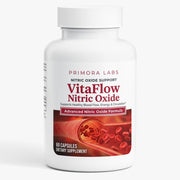
Our VitaFlow Nitric Oxide formula combines L-Citrulline with two forms of L-Arginine, the amino acids your body uses to make nitric oxide, to support healthy blood flow.
Frequently Asked Questions About Circulation in the Extremities
Can supplements cure Raynaud's or peripheral artery disease?
No. Supplements are not intended to diagnose, treat, cure or prevent any disease. Raynaud's and PAD need medical evaluation and, often, prescription treatment. Supplements may support overall circulation as part of a plan you agree on with your doctor.
How long does it take for circulation supplements to work?
Some nitric oxide precursors have measurable effects within hours in research settings. For everyday comfort, most people should give a consistent routine at least 4–8 weeks.
When should cold hands and feet prompt a doctor visit?
See a doctor promptly if you have sores on your feet that will not heal, pain in your legs at rest, a sudden cold, pale or painful limb, or color changes that do not return to normal. Seek emergency care for a suddenly cold, numb and painful limb.
Conclusion
Cold hands and feet are common, but they are not something you simply have to accept. Start with the fundamentals — daily walking, regular movement breaks, hydration, warm (not tight) clothing and not smoking — and get any persistent or worsening symptoms checked by a doctor. Nutrients that support nitric oxide and protect your blood vessels can be a useful addition to that foundation, helping more blood reach the places that need it most.
References
- Lundberg JO, Weitzberg E, Gladwin MT. The nitrate–nitrite–nitric oxide pathway in physiology and therapeutics. Nat Rev Drug Discov. 2008;7(2):156–167.
- Schwedhelm E, et al. Pharmacokinetic and pharmacodynamic properties of oral L-citrulline and L-arginine: impact on nitric oxide metabolism. Br J Clin Pharmacol. 2008;65(1):51–59.
- Kapil V, et al. Dietary nitrate provides sustained blood pressure lowering in hypertensive patients: a randomized, phase 2, double-blind, placebo-controlled study. Hypertension. 2015;65(2):320–327.
- Grassi D, et al. Cocoa reduces blood pressure and insulin resistance and improves endothelium-dependent vasodilation in hypertensives. Hypertension. 2005;46(2):398–405.
- The Nobel Prize in Physiology or Medicine 1998: Robert F. Furchgott, Louis J. Ignarro, Ferid Murad. NobelPrize.org.
These statements have not been evaluated by the Food and Drug Administration. This product is not intended to diagnose, treat, cure, or prevent any disease. This article is for general education and is not medical advice.