




















Simple Habits to Support Healthy Testosterone Naturally

Share
Testosterone does far more than build muscle. In men it helps regulate energy, mood, motivation, bone density, red blood cell production, body composition and sex drive. Levels naturally drift down with age — roughly 1% per year after 30 in many studies — but the steepness of that decline is not fixed. Sleep, training, body fat, nutrition and stress all push hormone production up or down every single day.
The good news is that the habits with the strongest evidence behind them are also the least glamorous. You do not need extreme diets, expensive gadgets or a dozen supplements. You need a handful of fundamentals done consistently. This guide walks through what the research actually supports, how to put it into practice, and when it is time to talk to a doctor instead of trying to fix things on your own.
Key takeaways
- Sleep is the single biggest lever: aim for 7–9 hours, since most testosterone is released overnight.
- Two to four compound strength sessions a week support hormones and body composition; overtraining does the opposite.
- Excess waist fat, heavy drinking and chronic stress all push testosterone down.
- Zinc, vitamin D, healthy fats and enough protein support normal production.
- Persistent symptoms deserve a morning blood test with your doctor.
How to Support Healthy Testosterone Naturally
Your body makes testosterone through a feedback loop called the hypothalamic–pituitary–gonadal (HPG) axis. The brain senses circulating hormone levels and signals the testes to produce more or less. Anything that disrupts that signaling — chronic sleep loss, excess visceral fat, high stress hormones, nutrient shortfalls or overtraining — can quietly dial production down.
That is why "natural" testosterone support is really about removing the brakes rather than pressing a single accelerator. The five levers with the most consistent evidence are:
- Sleep — most daily testosterone is released during sleep, especially in the early morning hours.
- Resistance training — compound strength work produces short-term hormonal responses and, more importantly, improves body composition over time.
- Body fat — fat tissue converts testosterone to estrogen through the aromatase enzyme, and excess abdominal fat is strongly linked to lower levels.
- Nutrition — adequate calories, protein, healthy fats, zinc, magnesium and vitamin D all play supporting roles.
- Stress — chronically elevated cortisol competes with and suppresses the reproductive axis.
Work on these together and the effects compound. Fix one while ignoring the others and results are usually modest.
Evidence-Based Training to Support Testosterone
Exercise is one of the most reliable ways to support healthy hormone levels, but the type, volume and recovery matter a great deal.
Multi-Joint Resistance Workouts vs. Overtraining
Big, multi-joint lifts that recruit large muscle groups — squats, deadlifts, presses, rows and lunges — produce the most meaningful training stimulus. A practical structure for most men over 40 looks like this:
- Two to four strength sessions per week, 45–60 minutes each.
- Three to five compound exercises per session, 3–4 sets of 6–12 reps.
- Rest periods of 60–120 seconds between sets.
- Progressive overload: add a little weight or a rep or two over time.
More is not always better. Very high training volume without enough sleep, food or recovery days raises cortisol and can push testosterone down — a pattern frequently seen in endurance athletes and people who combine hard training with aggressive dieting. If you feel persistently drained, sleep poorly, lose motivation or notice your strength going backwards, you are probably doing too much, not too little.
Balancing Aerobic Conditioning and Recovery
Cardiovascular fitness supports healthy blood flow, insulin sensitivity and body composition — all of which matter for hormone health. The U.S. Physical Activity Guidelines recommend at least 150 minutes of moderate activity per week plus two days of muscle-strengthening work. A simple way to meet that target:
- Brisk walking, cycling or swimming on most days for 20–40 minutes.
- One shorter, harder interval session per week if your fitness allows.
- At least one full rest or light-movement day each week.
Daily walking deserves special mention. It burns energy without adding much recovery cost, helps manage blood sugar after meals and is one of the easiest habits to sustain for decades.
Restorative Sleep and Daily Hormone Rhythm
If you only change one thing, make it sleep. Testosterone follows a daily rhythm: it rises during sleep and peaks in the early morning. Cut sleep short and you cut that production window short.
How Much Sleep Matters
In a well-known study published in JAMA, healthy young men who were restricted to about five hours of sleep per night for one week saw their daytime testosterone levels fall by roughly 10–15% — a drop comparable to many years of aging. Most adults need 7–9 hours per night, and the National Sleep Foundation's recommendation for adults over 65 is 7–8 hours.
Sleep Hygiene and Circadian Habits
Quantity is only half of it. Quality and timing matter too. Practical habits that help:
- Keep a consistent wake-up time, even on weekends.
- Get outdoor light within an hour of waking to anchor your body clock.
- Keep the bedroom dark, quiet and cool (around 65–68°F / 18–20°C).
- Stop caffeine 8–10 hours before bed and limit alcohol, which fragments deep sleep.
- Dim screens and bright lights in the last hour before bed.
Loud snoring, gasping during sleep or waking unrefreshed despite enough hours can point to sleep apnea, which is strongly linked to low testosterone. That is worth a conversation with your doctor, because treating it often improves energy and hormone levels at the same time.
Nutrition for Healthy Hormone Production
Your body builds testosterone from cholesterol and relies on several vitamins and minerals along the way. Extreme diets — very low fat, very low calorie or highly restrictive — tend to work against you.
Micronutrients That Matter
| Nutrient | Why it matters | Food sources |
|---|---|---|
| Zinc | Required for normal testosterone production; deficiency is linked to lower levels | Oysters, beef, pumpkin seeds, lentils |
| Vitamin D | Low vitamin D status is associated with lower testosterone in observational studies | Sunlight, fatty fish, eggs, fortified foods |
| Magnesium | Involved in hundreds of enzyme reactions, including energy metabolism and sleep | Leafy greens, nuts, seeds, whole grains |
| Healthy fats | Provide building blocks for steroid hormones | Olive oil, avocado, nuts, fatty fish |
| Protein | Supports muscle repair and healthy body composition | Fish, poultry, eggs, dairy, legumes |
For most people, a balanced diet built around whole foods covers these needs. If you rarely get sun, eat little seafood or follow a restrictive diet, ask your doctor about checking vitamin D and zinc levels before supplementing on your own.
Body Fat, Alcohol and Everyday Exposures
Excess body fat — particularly around the waist — is one of the strongest predictors of low testosterone. The encouraging part is that losing even 5–10% of body weight is associated with meaningful improvements. Aim for a modest calorie deficit, plenty of protein and fiber, and a sustainable pace of about 0.5–1 lb (0.25–0.5 kg) per week.
Heavy drinking suppresses testosterone production and disrupts sleep, so keeping alcohol moderate helps on two fronts. Some researchers also suggest limiting exposure to certain plastics and chemicals that may interfere with hormone signaling — practical steps include storing food in glass and not microwaving food in plastic containers.
Managing Stress and the Cortisol Connection
Cortisol and testosterone tend to move in opposite directions. Short bursts of stress are normal and even useful. Chronic, unrelenting stress — long work hours, poor sleep, money worries, constant notifications — keeps cortisol elevated and can suppress the reproductive axis.
Stress-Management Strategies That Work
- Daily movement outdoors — even a 20-minute walk lowers perceived stress.
- Breathing practice — slow breathing (around six breaths per minute) for five minutes calms the nervous system.
- Protected downtime — schedule time for hobbies, friends and family the way you schedule meetings.
- Adaptogenic botanicals — ashwagandha has been studied in randomized trials in men, with some showing improvements in perceived stress and morning testosterone compared with placebo.
None of these work overnight. Think in terms of weeks and months, not days.
Signs Your Hormones May Need Attention
Low testosterone does not always announce itself clearly. Symptoms tend to develop gradually and overlap with stress, poor sleep and simple overwork. Common signs include:
- Lower sex drive or fewer spontaneous morning erections.
- Persistent fatigue and low motivation.
- Loss of muscle mass or strength despite training.
- Increased body fat, particularly around the waist.
- Low mood, irritability or difficulty concentrating.
If several of these apply, ask your doctor about a blood test. Testosterone is usually measured in the morning, when levels are highest, and often repeated to confirm a result.
Common Testosterone Myths
- "Low testosterone is just part of aging." Some decline is normal, but many cases of low testosterone in middle-aged men are linked to excess weight, poor sleep and inactivity — all of which can be improved.
- "Eating fat lowers testosterone." Very low-fat diets are actually associated with slightly lower levels. Healthy fats are part of a hormone-friendly diet.
- "More cardio is always better." Moderate cardio supports hormone health; extreme endurance volume without adequate recovery can do the opposite.
A Sample Week of Hormone-Friendly Habits
| Day | Training | Recovery focus |
|---|---|---|
| Monday | Full-body strength (squat, press, row) | 8 hours in bed, protein at every meal |
| Tuesday | 30–40 minute brisk walk | Morning daylight, no caffeine after noon |
| Wednesday | Full-body strength (deadlift, lunge, pull-down) | 10 minutes of slow breathing in the evening |
| Thursday | Easy bike ride or swim | Alcohol-free night |
| Friday | Full-body strength or intervals | Time with friends or family |
| Weekend | Long walk, hike or sport | Same wake-up time as weekdays |
Where Supplements Fit In
Supplements cannot replace sleep, training or a healthy diet — but they can support a routine that is already in place. When evaluating a formula, look for:
- Ingredients with published human research, such as KSM-66® Ashwagandha, Tongkat Ali and Zinc.
- Doses that match the amounts used in studies, not token amounts.
- Third-party testing for purity and potency, and manufacturing in a cGMP facility.
- Transparent labels without proprietary blends that hide doses.
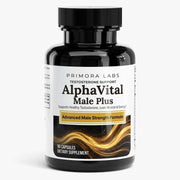
Our PrimeDrive Plus formula combines Tongkat Ali (400 mg) and Zinc (50 mg) with Maca and Ginseng to support healthy testosterone, stamina and a healthy stress response as part of an active lifestyle. Talk with your healthcare provider before starting any supplement, especially if you take medication.
Frequently Asked Questions About Male Hormone Health
How long does it take to see improvements in hormone levels?
Sleep changes can affect hormone levels within days to weeks. Changes driven by fat loss and training usually take two to three months to become noticeable. Most people should give a new routine at least 8–12 weeks before judging results.
Can lifestyle habits fix clinically low testosterone?
Not always. Some men have medical causes of low testosterone (hypogonadism) that need diagnosis and treatment. If you have persistent symptoms — very low energy, low libido, loss of muscle, mood changes — ask your doctor about a morning blood test.
Do micronutrient deficiencies really matter?
Yes. Deficiencies in zinc and vitamin D are both associated with lower testosterone, and correcting a true deficiency can help. Supplementing above normal levels, however, has not been shown to add extra benefit.
Conclusion
Supporting healthy testosterone is less about secret tricks and more about stacking proven fundamentals: sleep 7–9 hours, lift weights two to four times a week, walk daily, keep body fat in a healthy range, eat whole foods with enough protein and healthy fats, and manage stress deliberately. Layer a well-formulated supplement on top if you want extra support, and partner with your doctor if symptoms persist. Consistency over months — not intensity over days — is what moves the needle.
References
- Leproult R, Van Cauter E. Effect of 1 week of sleep restriction on testosterone levels in young healthy men. JAMA. 2011;305(21):2173–2174.
- Prasad AS, et al. Zinc status and serum testosterone levels of healthy adults. Nutrition. 1996;12(5):344–348.
- Pilz S, et al. Effect of vitamin D supplementation on testosterone levels in men. Horm Metab Res. 2011;43(3):223–225.
- Lopresti AL, et al. A randomized, double-blind, placebo-controlled, crossover study examining the hormonal and vitality effects of ashwagandha in aging, overweight males. Am J Mens Health. 2019;13(2).
- Hirshkowitz M, et al. National Sleep Foundation's sleep time duration recommendations. Sleep Health. 2015;1(1):40–43.
- U.S. Department of Health and Human Services. Physical Activity Guidelines for Americans, 2nd edition. 2018.
These statements have not been evaluated by the Food and Drug Administration. This product is not intended to diagnose, treat, cure, or prevent any disease. This article is for general education and is not medical advice.